

5 Day Diet At A Glance
- Duration 2-4 weeks - 5 days per week
- Breakfast & Lunch : Menopause friendly meal replacements
- Dinner : nutritionist supported protein forward recipes
- Daily movement: Simple daily habit prompts
- 30 Day Tracker : Weight and symptoms
- Suitable for : perimenopause and menopause
- Not suitable for : pregnant or breastfeeding women.
The Menopause Diet 5 Day Plan is a practical menopause reset — a Monday-to-Friday routine that uses menopause-friendly meal replacements for breakfast and/or lunch, plus protein-forward dinners, to simplify calories and improve consistency.
Hormonal changes, shifting body composition, the increase in stress that comes with career and family changes and the way your body handles sugar all contribute to weight gain in midlife.
The diets that used to work for you in your thirties won't have the same effect simply because you aren't working with the same body anymore. Your needs have changed.
Muscle mass needs support, protein becomes more important, gut health matters more and balancing blood sugar moves to poll position. It's one of the most beneficial things you can do to control weight and support hormone balance.
Why Weight Loss Feels Harder In Menopause
Feel like you have no control over your body anymore? Welcome to midlife :) During perimenopause and menopause, changes in hormone levels, particularly oestrogen, can affect where your body stores fat, how sensitive you are to insulin, and even how hungry or energised you feel day to day.
At the same time, we naturally begin to lose muscle as we get older. Muscle plays an important role in metabolism and blood sugar balance, which is why maintaining protein intake and regular movement becomes more important in midlife. Add in disrupted sleep, higher stress levels and the very real impact of fatigue, and it’s easy to see why weight loss in menopause can start to feel harder than it once did.
Many women also notice weight shifting away from the hips and thighs and more towards the middle. While this is particularly common in menopause/post menopause it doesn’t mean it’s something you simply have to accept. The goal isn’t to eat less and punish yourself with exercise, it’s to support your body differently, with balanced nutrition, enough protein, movement that works in real life, and habits that feel sustainable long term.
This 5 day menopause diet plan is designed with exactly that in mind. If you want to know how that looks across a month see our 4 week plan
What Makes The 5 Day Menopause Diet Different?
- Nutritionist-designed approach
- Menopause-specific meal structure
- Daily movement support
- Protein-focused
- Symptom support
- Practical for busy women
- Recipes + meal replacements
Why is the weight going to my middle? Changes in body shape are really common in midlife. As hormone levels shift, particularly oestrogen, it's normal for weight to move from areas like the hips and thighs more towards the middle. At the same time, changes in insulin sensitivity, stress levels, and a gradual loss of muscle can make it easier to store fat in this area.

Sarah Thomas — BANT Registered Nutritionist, Consultant Eve Biology
Why This Menopause Diet Plan Includes Movement
During menopause, small, regular movements make a difference. Muscle plays an important role in how your body uses blood sugar for energy, which is why simple habits like walking after meals, taking the stairs or doing a few squats regularly can make a difference over time. Using your muscles more often throughout the day supports energy, blood sugar balance and metabolic health.
Best Meopause Exercises

Consumer Trial
In a 30-day trial with 60 women aged 45-70 - spanning perimenopause and menopause - we tracked nine outcomes. Here's what the data showed.
Read the full evidence
Made For Women
Bold and Balanced Support
The nutrition you need for where you are now. Allergen free. Plant based. 209 cals.
SHOP EVE30 Day Baseline Tracker
Log where you are now and we'll send you a 30 day reminder to re-evaluate your symptoms whether you're using Eve or not. Whatever you're doing you need to be able to track progress. Data is yours.
Shop Now
Nutritionist insight - Do I need to exercise more or just move differently? t’s often less about doing more, and more about using your muscles regularly. Muscle plays a key role in how your body handles blood sugar. The more you use it, the better your body becomes at managing energy. This doesn’t have to mean the gym. Taking short movement breaks during the day → Carrying shopping bags rather than always using a trolley → Taking the stairs when you can → Standing while on phone calls.
These small movements might not feel like much, but done consistently, they can have a real impact on your energy and metabolism.
Claire Thomas — BANT Registered Nutritionist, Consultant Eve Biology
Nutritionist insight - Can simple exercises like squats and calf raises really help? They can, and they’re a great place to start. Movements like squats and calf raises use your largest muscle groups, which act like a ‘sink’ for glucose, pulling sugar out of the bloodstream and into muscle to be used for energy. That’s why even small habits can help, such as: → Doing a few squats while waiting for the kettle to boil → Calf raises while brushing your teeth → Standing up and sitting down a few extra times during the day It’s not always about intensity; it’s about using your muscles regularly.
Claire Thomas — BANT Registered Nutritionist, Consultant Eve Biology
Menopause Diet : Your Activity Levels
-

Inactive Women
Less than 30 minutes of moderate-intensity physical activity per week.
-

Lightly Active Women
Between 30 and 149 minutes of moderate intensity exercise a week.
-

Active Women, Strength Train
Doing at least 150 minutes of moderate-intensity aerobic activity or 75 minutes of vigorous-intensity activity per week.


Breakfast, Lunch, Dinner : Day 1
-
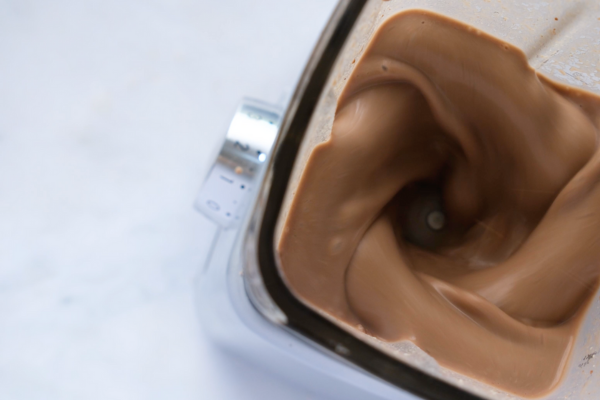
BREAKFAST
Eve Biology Vanilla shakes with decaf espresso. Blends in 60 secs. If anxiety and hot flashes aren't an issue for you, go caffeinated coffee.
-

LUNCH
Chocolate shake will add another 25.4g protein to set you up for your afternoon and keep cravings at bay. If you need a snack go high protein with healthy fats.
-

DINNER
SEE RECIPELow carb lasagne, less calories, more protein, more veg. Freezes well. Will please the whole family while balancing your hormones.
-

MOVEMENT HABIT
5-10 minute walks after meals. Why? Supports digestion, energy and blood sugar balance


Breakfast, Lunch, Dinner : Day 2
-

BREAKFAST
Eve Biology Strawberry meal replacement shake with blueberries and ice for a antioxidant boost
-
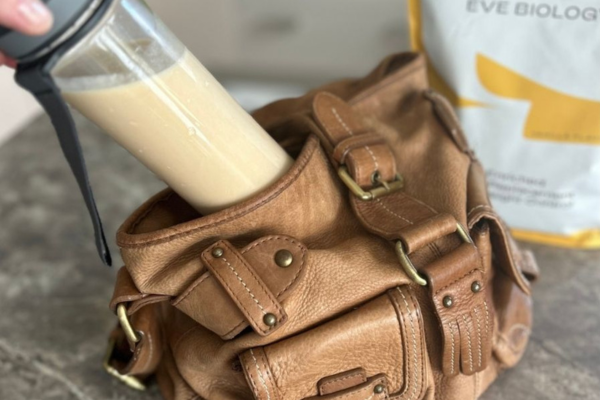
LUNCH
Eve Biology Vanilla shake with water and ice. Add a half a banana if you prefer a thick shake.
-

DINNER
SEE RECIPEPistachio and Herb Encrusted Salmon. We all need more Omega 3 in our diet and salmon is packed with it. Pistachios are high in fibre and linked to balancing blood sugar, cholesterol and blood pressure.
-
MOVEMENT HABIT
Calf raises brushing teeth. Why? Improves balance, builds muscle, tones legs.


Breakfast, Lunch, Dinner : Day 3
-

BREAKFAST
Add a handful of raspberries to Vanilla or Strawberry with nut milk. Flaxseed optional. Always add powder to liquid for a smoother shake.
-

LUNCH
Vanilla shake. Remember to drink slowly, even if busy. Your stomach needs to recognise your shake as a meal not a drink.
-

DINNER
SEE RECIPECreamy Spinach Stuffed Chicken Breasts. Packed with protein - indulgent, filling and easy to make.
-
MOVEMENT HABIT
Daily 20 minute brisk walk. Why? Brisk walking raises your heart rate and benefits cardiovascular health.


Nutritionist Quote: Why Do I Get The 3pm Energy Crash? That afternoon dip is often a reflection of how your earlier meals have prepared you. If breakfast or lunch is low in protein or fibre, it can lead to a rise and then drop in energy. Build meals around protein, fibre, and healthy fats – the recipe page has some great examples of balanced meals. Avoid relying on sugary snacks or multiple coffees to get through. Even a short 10-minute walk or doing squats after lunch can help steady your energy levels.
Sarah Thomas — BANT Registered Nutritionist, Consultant Eve Biology
Breakfast, Lunch, Dinner : Day 4
-

BREAKFAST
Eve Biology Vanilla shake, add a teaspoon of heart supporting flaxseed. Gives a nutty edge to the flavour profile.
-
LUNCH
Eve Biology Chocolate Shake. If you make it at home store in the fridge until you're ready to drink it. High protein snack if you need it between 3 and 4pm.
-

DINNER
SEE RECIPECourgette Bolognaise. Ultimate crowd pleaser, Our recipe uses spiralled courgette to delver even more nutrients and picks up the flavour of the sauce brilliantly
-
MOVEMENT HABIT
3 sets of squats - build up to 10. Why? Builds lower body strength ( glutes and thighs), burns calories, improves mobility. Bonus - toned bottom!


Breakfast, Lunch, Dinner : Day 5
RECIPES-

BREAKFAST
Vanilla shake, will support a good morning and make sure you're satisfied until lunch.
-

LUNCH
Eve Biology strawberry shake, packed with vitamins and minerals, protein, fibre and calming adaptogens to keep your afternoon on track.
-

DINNER
SEE RECIPEHealthy Cottage Pie. Lower in carbohydrates and calories than a traditional one but packed with protein and flavour. Can be made in advance
-
MOVEMENT HABIT
Press ups work your way up to 10. Start with the wall, graduate to floor. Why? Posture, injury resilience, upper body strength and joint health. Bonus - more toned arms.


Snack Suggestions: Protein, Healthy Fats
-

Beef jerky with almonds
1 packet with 8-10 almonds
-

Roasted tempeh
100g - 150g, tablespoon of mustard.
-

Roasted chickpeas with pumpkin seeds
150g or 4 tablespoons, sprinkle pumpkin seeds
-

Greek yogurt, blueberries
125g-150g or 3 tablespoons with handful of blueberries
-

Boiled eggs, cucumber, avocado
2 boiled eggs, a quarter avocado, few slices cucumber


Frequently Asked Questions
What is the best diet for a menopausal woman to lose weight?
The best diet for weight loss in menopause is one that's high in protein, balances blood sugar, and is sustainable enough to follow consistently. Calorie restriction alone tends to backfire — it accelerates muscle loss and can increase cortisol, which drives fat storage around the abdomen. A hormone-aware approach that replaces one or two meals with high-protein, nutrient-dense options, combined with protein-forward dinners and daily movement, tends to produce better results than traditional dieting.
What foods burn menopause belly fat?
No single food burns belly fat, but certain foods actively support the hormonal environment that makes fat loss easier in menopause. Prioritise lean protein (chicken, fish, eggs, legumes) to preserve muscle mass; fibre-rich vegetables and wholegrains to steady blood sugar; and phytoestrogen-containing foods like flaxseed and edamame to support oestrogen balance. Reducing ultra-processed foods, alcohol, and refined carbohydrates has the most direct impact on visceral fat accumulation around the middle.
What is the NHS diet for menopause?
The NHS recommends a balanced diet rich in calcium, vitamin D, and iron during menopause, with reduced saturated fat, salt, and sugar. While this is a solid foundation, it doesn't specifically address the hormonal shifts that make weight management harder after 40 — such as declining oestrogen, insulin resistance, and muscle loss. A menopause-specific approach builds on NHS guidance by prioritising protein, blood sugar balance, and gut health.
How long do I do the Menopause Diet 5 Day Diet for?
For weight loss realistically you'll be looking at 4-6 weeks. For weight maintenance after weight loss you'll be replacing one meal a day 5 days a week. When you feel you don't need the support anymore switch to regular meals.
Do I have to replace both breakfast and lunch?
No, you can replace one meal and use your second Eve shake as a snack so can still keep to a routine and aren't tempted by sugar and carb heavy grab and go snacks.
Will this work if I’m on HRT?
Often yes, because the plan is primarily about a routine, supportive vitamins, mineral and adaptogens, protein and calorie consistency. If you have medical conditions or medications affected by diet changes, check with your clinician.
Are the shakes suitable for long-term use?
Yes, Eve Biology shakes are formulated with balanced nutrition in mind, making them suitable for long-term use. They provide an excellent source of essential vitamins, minerals, protein, and fibre, making them a sustainable option for ongoing health maintenance.
What if I have dietary restrictions?
Eve Biology shakes are crafted to accommodate various dietary needs. They are gluten-free, soy-free and dairy free and can be suitable for those with lactose intolerance or other common dietary restrictions. However, we always recommend checking the ingredient list and consulting with a healthcare professional if you have specific concerns or severe allergies.
How quickly will I see results?
The timeframe for seeing results can vary based on individual health goals and how consistently you use the shakes as part of your diet. Many users begin to notice improvements in their energy levels and overall well-being within the first few weeks. For weight management, results can typically be observed as part of a balanced diet and regular exercise routine over several weeks to months.