

Weight loss is going to feel harder in menopause if you're doing what you did in your 30's. Hormonal changes, sleep disruption, shifting body composition, and a busier, more demanding stage of life can all make your old approach stop working. The answer is not to punish your body. It is to understand what has changed and use nutrition more strategically. At Eve Biology, we help women make simple nutritional tweaks that support energy, appetite, muscle, and consistency — so they can keep their autonomy and vitality.
SHOP EVE BIOLOGYBalanced to work with your body
Eve Biology is grounded in the belief that menopause nutrition does not need to become complicated — it just needs to become more strategic. Our approach is shaped by nutrition expertise focused on midlife health, satiety, protein, and sustainable weight support.
Supported by Nutritionists
the menopause diet-

Claire, Nutritionist and Phelobomist
Claire is a qualified nutritionist, with post graduate qualifications in Clinical Education and Healthcare Leadership. She specialises in nourishment to support resilience and energy levels.
-

Sarah, Registered Nutritionist And Gut Health Expert
Sarah is a specialist in gut health and womens health, a passionate recipe developer and a published author of 20 nutrition books.


Why weight loss gets harder during menopause
When your hormone status changes some of your foundations need extra support. Muscle mass, bones strength, stress resilience, sleep and energy levels can all be supported with the right nutrition.
Fat distribution changes
Menopause is associated with a shift towards greater abdominal and visceral fat storage, even when the change on the scales isn't dramatic. It's common for visceral fat rises from about 5–8% to 10–15% of total body weight.
Muscle becomes more important
Lean mass tends to decline with age, and menopause may contribute to changes in body composition. Maintaining muscle becomes increasingly important for strength, metabolic health and long-term weight management.
Energy needs can change
Ageing, activity levels and changes in body composition can all affect how much energy we use. Menopause itself doesn't simply “switch off” your metabolism — but what maintained your weight previously may no longer produce exactly the same result.
Eve Biology Insight
Menopause Acts As A Spotlight
The menopause transition can change your body, but it doesn't switch off your ability to influence your weight.
What actually works for menopause weight loss
Why waist size matters for menopause weight loss
You may notice your waist changing even when the number on the scales hasn't moved very much. There is good evidence that menopause affects where fat is stored, with a shift towards more abdominal and visceral fat — the fat stored deeper around the organs.
At the same time, lean mass can decline with age. That means body composition can change without a dramatic change in overall weight: more fat, less lean tissue, similar number on the scales.
This is why weight alone doesn't always tell the whole story in midlife. Waist measurement, strength and body composition can give you useful information too.
The good news? These changes don't mean your weight or waist are beyond your influence. Nutrition, resistance training and regular movement can all improve body composition and metabolic health.
Research: Recent studies of women across the menopause transition have found higher abdominal and visceral fat after menopause alongside lower lean mass and skeletal muscle.
A meal replacement formulated for menopause
Creating an energy deficit doesn't have to mean counting every calorie. Eve gives you a nutritionally complete, calorie-controlled meal with 25.4g protein, 5.3g fibre and 24 vitamins and minerals — making it simpler to reduce your overall energy intake while supporting your nutritional needs.
eve benefits
You probably know what to do — but life gets in the way
Most women already know what a healthy day should look like. More protein. Better breakfasts. Fewer blood sugar crashes. More consistency. But knowing and doing are not the same thing — especially in menopause, when energy is lower, stress is higher, sleep may be patchy, and life is already full.
SHOP EVE
How to use Eve as part of a menopause weight loss plan
-
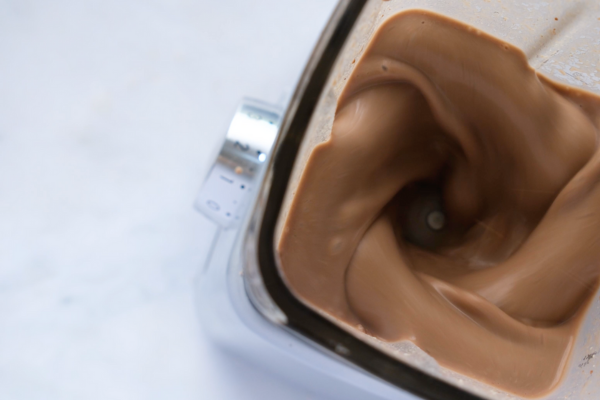
Replace breakfast with structured nutrition.
A more satisfying start to your day, blends in 60 seconds, with protein, fibre, vitamins and minerals and soothing adaptogens.
-
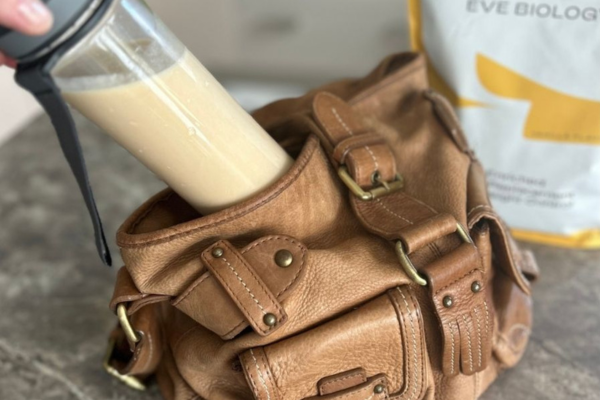
Replace lunch with a shake
A practical option on busy workdays when lunch is easy to skip or get wrong. Another 25.4g of protein, another infusion of vitamins, minerals, fibre and gluten free carbs to boost energy then help you sustain it.
-
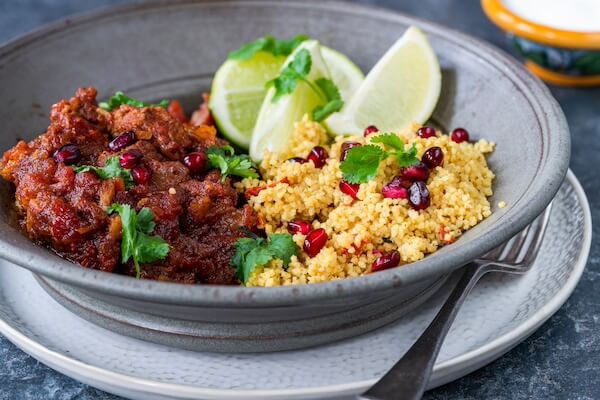
Build dinner around protein and fibre.
Protein rich dinners with fewer carbs will help you to build muscle and balance hormones. You need carbs - just eat most of them in the day.
-

Weekends - balanced meals and exercise
Get plenty of exercise, drop to 1 shake a day or enjoy 3 healthy balanced meals with friends and family. Our routine is easier to stick to if you dont feel you're missing out.

Simple nutrition tweaks that can make menopause weight loss easier
A few nutritional ground rules when it comes menopause to help you work with your body not against it
 Build meals around protein
Avoid low-protein sugary breakfasts
Keep dinners balanced and family-friendly
Include fibre at lunch and dinner
Use structured meal support on busy days
Build meals around protein
Avoid low-protein sugary breakfasts
Keep dinners balanced and family-friendly
Include fibre at lunch and dinner
Use structured meal support on busy days

Menopause weight loss shouldn't mean cooking separate meals
more recipes-

Healthy Cottage Pie
This low carbohydrate healthy cottage pie recipe won't spike your blood sugar, can be made ahead of time and freezes well.
-

Spicy Prawn Noodles
Super quick, the king prawns are cooked in a garlic and chilli base which work perfectly with egg noodles.
-

Juicy Turkey Metballs
This recipe keeps the meatballs soft and tasty, the ragu is packed with vegetables!


A simple way to check your status
During menopause, weight often shifts towards the abdomen. NICE recommends waist-to-height ratio as a useful way to assess central weight gain. As a general guide, your waist should be less than half your height. Check how much protein you need based on your weight or what category you fall into when it comes to activity levels on the benchmarks page.
Waist To Height Ratio Table
| Height (ft, inches) | Height (cm) | Goal Waist Size | Less Healthy Waist Size |
|---|---|---|---|
| 5 ft 5 | 165.1 | 82.5 cm or less | 82.5 cm or more |
| 5 ft 6 | 167.6 | 83.8 cm or less | 83.8 cm or more |
| 5 ft 7 | 170.2 | 85.1 cm or less | 85.1 cm or more |
| 5 ft 8 | 172.7 | 86.4 cm or less | 86.4 cm or more |
| 5 ft 9 | 175.3 | 87.6 cm or less | 87.6 cm or more |
| 5 ft 10 | 177.8 | 88.9 cm or less | 88.9 cm or more |
| 5 ft 11 | 180.3 | 90.2 cm or less | 90.2 cm or more |
| 6 ft | 182.9 | 91.4 cm or less | 91.4 cm or more |
| 6 ft 1 | 185.4 | 92.7 cm or less | 92.7 cm or more |
| 6 ft 2 | 188.9 | 94.5 cm or less | 94.5 cm or more |
Menopause weight loss is about more than the scales
Weight is only one measure of progress. Waist circumference, strength, fitness, blood pressure and metabolic health can tell you things the scales can't. And protecting muscle and bone becomes increasingly important as we get older.

Free 30 Day Tracker : Baseline
Our free 30-day tracker lets you log your weight, energy, mood, sleep and key menopause symptoms — so you can spot patterns, measure what's working, and feel more in control of your journey.
LOG YOUR STATS
Menopause Weight Loss FAQ - What the research tells us
Does HRT help with menopause weight loss?
HRT isn't a weight-loss treatment.
Menopausal hormone therapy can be highly effective for appropriate menopause symptoms, and research is investigating whether it may influence some of the body-composition changes associated with menopause. But it shouldn't be prescribed or taken simply as a way to lose weight.
There is also no good reason to assume starting HRT will automatically make you gain weight.
I'd keep this FAQ relatively short because this is a weight-loss page rather than an HRT page, and link through to a reputable menopause/HRT resource.
What is the best diet for menopause weight loss?
There isn't good evidence that every woman going through menopause needs one special “menopause diet”.
The fundamentals of weight loss haven't disappeared: to lose body fat, you need a sustained energy deficit. But in midlife, how you create that deficit matters.
A sensible approach prioritises protein, vegetables, fruit, wholegrains and fibre-rich foods while providing enough vitamins and minerals and keeping overall energy intake appropriate for your goal. The combination of dietary changes and physical activity remains central to clinical recommendations for managing midlife weight gain. [1]
What you can influence: Don't look for the most restrictive diet. Look for an approach that creates a manageable energy deficit, supports muscle and nutrition, and is realistic enough to maintain.
Is strength training good for menopause weight loss?
Yes — but not simply because it burns calories.
Resistance training helps preserve and build the muscle you want to keep while managing your weight.
A 2024 systematic review and meta-analysis of 12 randomised trials found substantial improvements in upper- and lower-body strength among postmenopausal women who resistance trained. [5]
Separate 2024 meta-analysis evidence also found resistance training can improve measures of body adiposity and metabolic risk in postmenopausal and older women, although results vary according to the training programme and population studied. [8]
What you can influence: Think beyond the calorie burn from an individual workout. Maintaining strength and muscle is an investment in the body you want to keep using for decades.
Do women over 50 need more protein?
Protein becomes particularly relevant in midlife because it provides the amino acids needed to maintain and repair muscle.
The evidence doesn't support protein as a magic weight-loss ingredient. A very recent systematic review of 15 randomised trials found that effects on body weight and body composition depended considerably on whether protein was combined with energy restriction and exercise. [7]
What you can influence: Prioritising protein while losing weight can help you build a diet around preserving lean tissue rather than simply eating fewer calories.
Why does muscle matter for menopause weight loss?
Because the aim isn't simply to become lighter. Ideally, when losing weight, you want to lose excess fat while preserving as much muscle as possible.
Muscle supports strength, mobility and physical function, and it plays an important role in metabolic health.
A 2024 systematic review and meta-analysis of randomised controlled trials found that resistance training significantly improved upper- and lower-body strength in postmenopausal women. [5]
Another 2024 meta-analysis found that resistance training can increase whole-body muscle in postmenopausal and older women. [6]
Importantly, I'd not say “building muscle boosts your metabolism and makes you lose weight.” The evidence is more compelling for preserving/building muscle and improving strength than for resistance training alone producing substantial weight loss.
What you can influence: Give your muscles a reason to stay. Resistance training alongside adequate nutrition becomes increasingly valuable through midlife.
Can my body composition change without gaining weight?
Yes.
The scales measure your total weight. They can't distinguish between fat, muscle, bone and water.
Research across menopause shows a tendency towards increased fat — particularly visceral fat — alongside declines in muscle mass and strength. [2]
That means it's possible for two changes to happen at once: fat mass increases while lean mass decreases, without a particularly dramatic change on the scales.
What you can influence: Don't make weight your only measure of progress. Waist circumference, strength, fitness and other measures of health can tell you things the scales can't.
Why is it harder to lose weight during menopause?
For some women, the same approach that worked earlier in life simply doesn't produce the same results in midlife.
There isn't one single menopause-related reason. Energy expenditure and activity can change with age, muscle mass can decline, sleep may be disrupted and menopause can alter body composition and fat distribution. [1,2]
Weight loss still requires an energy deficit — taking in less energy than your body uses. What may change is the amount of energy your body needs.
What you can influence: Rather than simply eating as little as possible, aim for a manageable energy deficit while getting enough protein, fibre and essential nutrients and continuing to use your muscles.
This one is particularly important for Eve, because it gives you the scientific bridge into why a calorie-controlled, high-protein meal replacement can be useful.
Why does menopause cause belly fat?
Menopause is associated with a shift in where the body stores fat, with a greater tendency towards abdominal and visceral fat after menopause. Visceral fat is the deeper fat stored around the abdominal organs.
This means your waist can change even without a dramatic increase in body weight.
It matters for health as well as how your clothes fit. Central adiposity is associated with increased risk of conditions including type 2 diabetes, high blood pressure and cardiovascular disease. NICE therefore recommends using waist-to-height ratio alongside BMI in adults with a BMI below 35. [4]
Does your metabolism slow down in menopause?
Not in the dramatic way it's often portrayed.
Energy expenditure can decline through midlife, but separating the effects of menopause from normal ageing, changes in activity and body composition is difficult.
A 2025 review concluded that it remains uncertain whether menopause or oestrogen has a meaningful independent effect on resting energy expenditure. [2]
So “menopause has broken my metabolism” isn't supported by the evidence.
What is plausible is that your energy requirements have changed. That can mean an amount of food that previously maintained your weight may now provide more energy than you use.
What you can influence: Your metabolism hasn't stopped responding to energy balance. Food intake, movement, resistance exercise and maintaining muscle remain useful levers.
What is the best diet for menopause weight loss?
The best diet is usually one that is high in protein, rich in fibre, built around whole foods, and realistic enough to follow consistently. Mediterranean-style eating is often recommended as a strong foundation.
Are meal replacement shakes good for menopause weight loss?
They can be helpful when they provide a structured, satisfying option that supports protein intake and consistency. Eve Biology is designed as a meal replacement for weight control for exactly this reason.
How much exercise should I do in menopause?
Adults should aim for at least 150 minutes of moderate activity a week or 75 minutes of vigorous activity, plus strength training on two or more days.
Can you still lose weight after menopause?
Yes.
Menopause can change body composition and fat distribution, and ageing can change energy requirements. Neither means that fat loss becomes biologically impossible.
Nutrition and physical activity remain effective tools for managing weight through midlife. [1]
The strategy may need to evolve: creating an appropriate energy deficit while prioritising protein, resistance exercise, everyday movement and nutritional quality becomes particularly useful.
What you can influence: You can't control every biological change that comes with ageing or menopause. But there's still a great deal you can influence about your weight, strength and long-term health.
References
[1] Kapoor E, et al. (2024). Weight Gain in Midlife Women. Mayo Clinic.
Read on PubMed
[2] Menopause and Body Composition: A Complex Field (2025). Review of skeletal muscle, adipose tissue, visceral fat and energy expenditure across menopause.
Read on PubMed
[3] Palacios S, et al. (2024). Obesity and menopause. Gynecological Endocrinology.
Read on PubMed
[4] NICE. Overweight and obesity management: identifying and assessing central adiposity. NICE recommends waist-to-height ratio alongside BMI for appropriate adults and advises keeping waist circumference below half of height.
Read the NICE guidance
[5] González-Gálvez N, et al. (2024). Resistance training effects on healthy postmenopausal women: a systematic review with meta-analysis.
Read on PubMed
[6] Higher volume resistance training enhances whole-body muscle hypertrophy in postmenopausal and older females(2024). Systematic review/meta-analysis of RCTs.
Read on PubMed
[7] Dietary Intake of Animal and Plant-Based Protein on Adiposity Measurements and Body Composition in Pre- and Postmenopausal Women (2026). Systematic review of 15 randomised clinical trials.
Read on PubMed
[8] Nunes PRP, et al. (2024). Effect of resistance training volume on body adiposity, metabolic risk, and inflammation in postmenopausal and older females. Systematic review and meta-analysis of RCTs.
Read on PubMed